

Standby Mode Explained: How Much Power Do Smart Devices Use?
Updated: 14th January, 2026
Smart devices have become an essential part of modern homes, offering convenience, automation, and connectivity. From smart bulbs to AI assistants, these gadgets allow us to control appliances with voice commands or remotely through mobile apps.
But a question that many homeowners ask is:
Do smart devices still use electricity when they’re in standby mode?
The short answer: Yes, most do—but the amount varies by device.
While the energy draw is usually small, understanding how standby mode works and which devices consume power can help you make informed decisions about energy efficiency.
What happens in standby mode?
When you switch off a traditional device, it disconnects from power completely. Smart devices, however, are designed to stay connected. Standby mode allows them to remain responsive to voice commands, app controls, and automation schedules.
This means the device keeps its internal circuits active, maintains a Wi-Fi or Bluetooth connection, and sometimes powers sensors like microphones or motion detectors. While this requires electricity, the amount is typically minimal—measured in fractions of a watt for most devices.
However, when you have multiple smart gadgets throughout your home, these small amounts can add up over time. Let’s go over the wide range of smart home devices to investigate the details of standby mode depending on the setup you have.
Smart bulbs
Do they draw power when switched off?
Yes
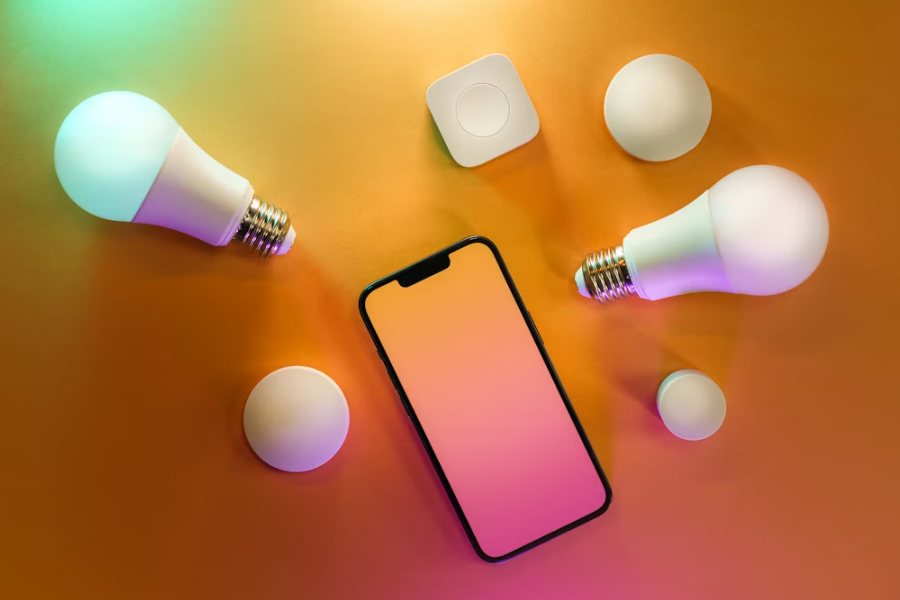
Smart bulbs remain in standby so they can respond instantly to your voice or app commands. For example, a Philips Hue bulb uses 0 to 0.3 watts when off. While this is negligible for one bulb, a house full of them can contribute to your overall energy usage.
Smart plugs
Do they draw power when switched off?
Yes
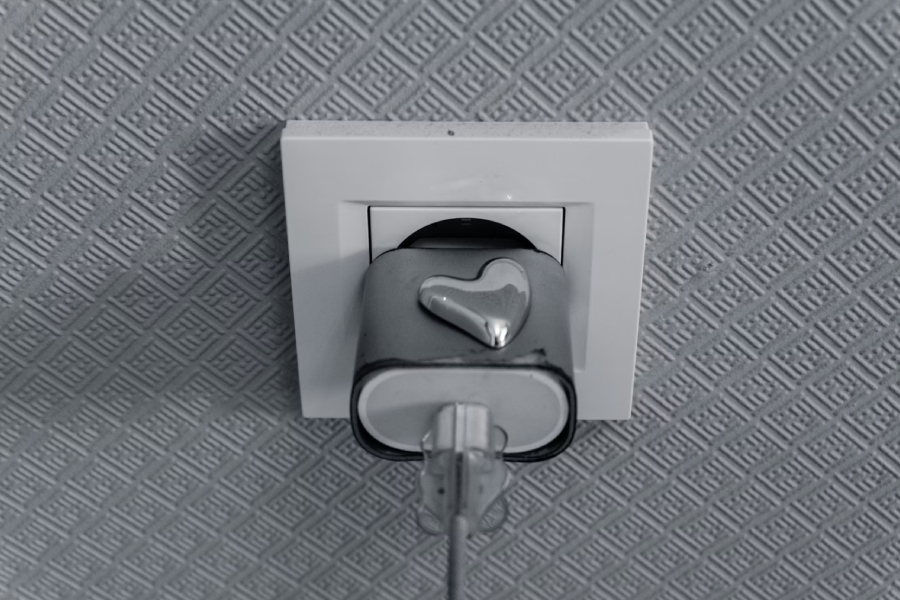
Even when the connected appliance is off, the smart plug itself stays active to receive commands. Most smart plugs consume about 1 watt in standby mode. This is because the plug maintains its Wi-Fi connection and internal circuitry.
Smart speakers and AI assistants
Do they draw power when not in use?
Yes
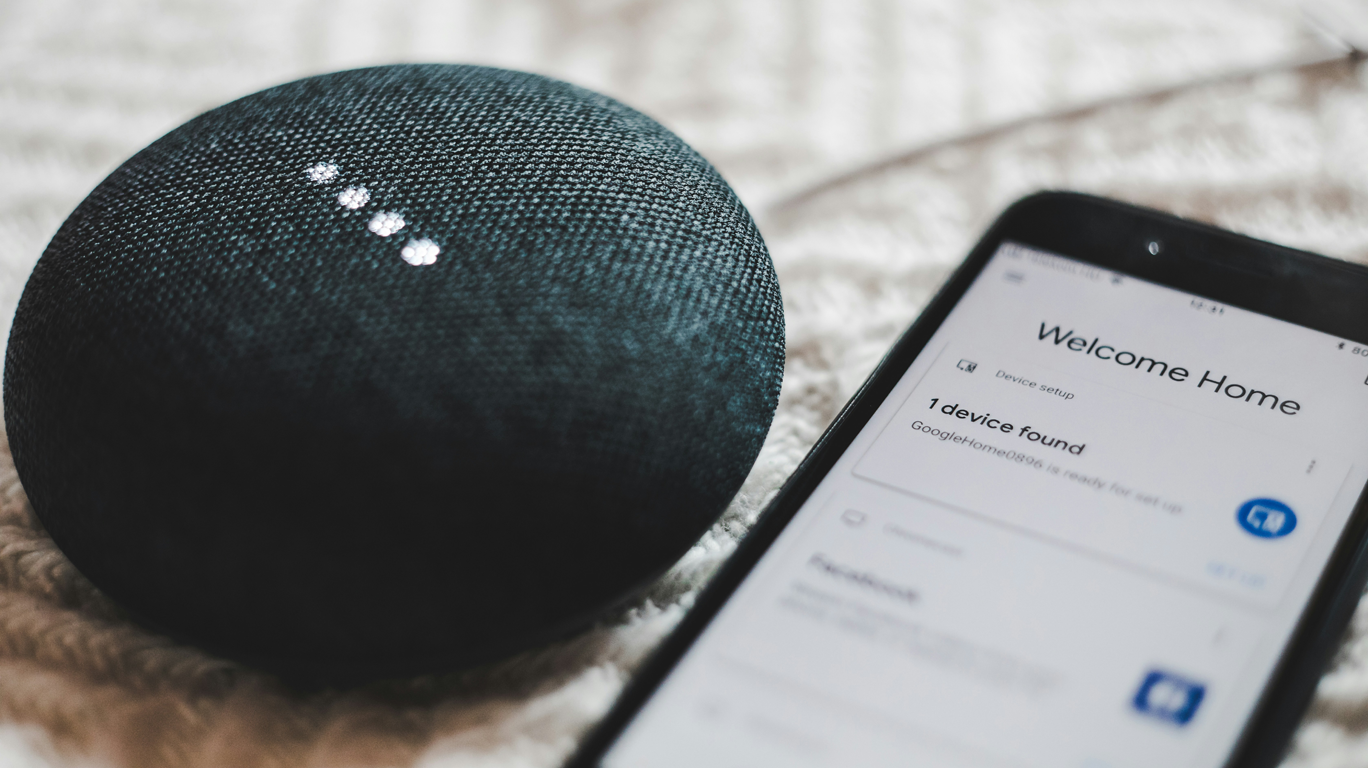
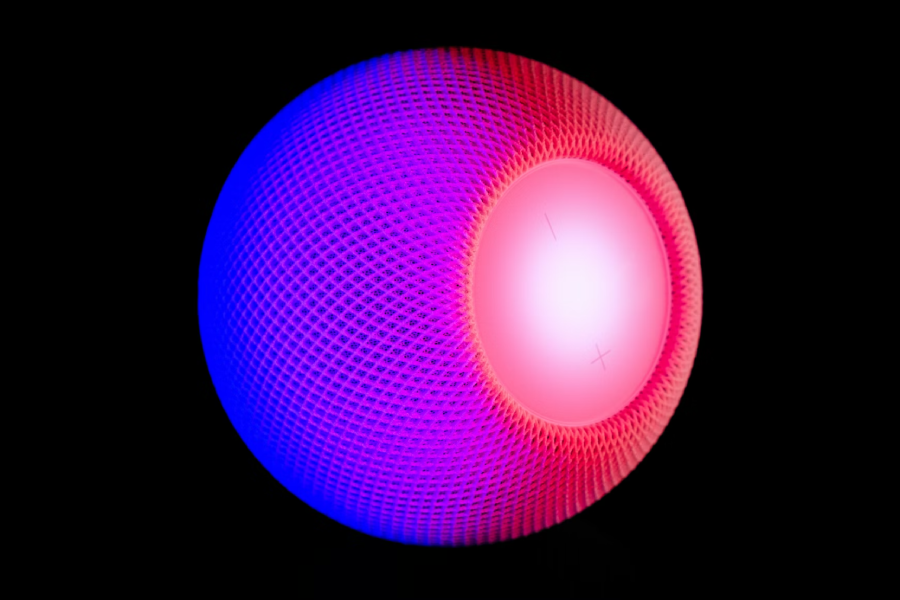
Devices like Alexa, Google Nest, and Apple HomePod are always listening for wake words. This requires constant standby power. For example, the HomePod Mini uses around 0.8–1 watt when idle, keeping its microphone and network connection active.
Smart thermostats
Do they draw power when not in use?
Yes
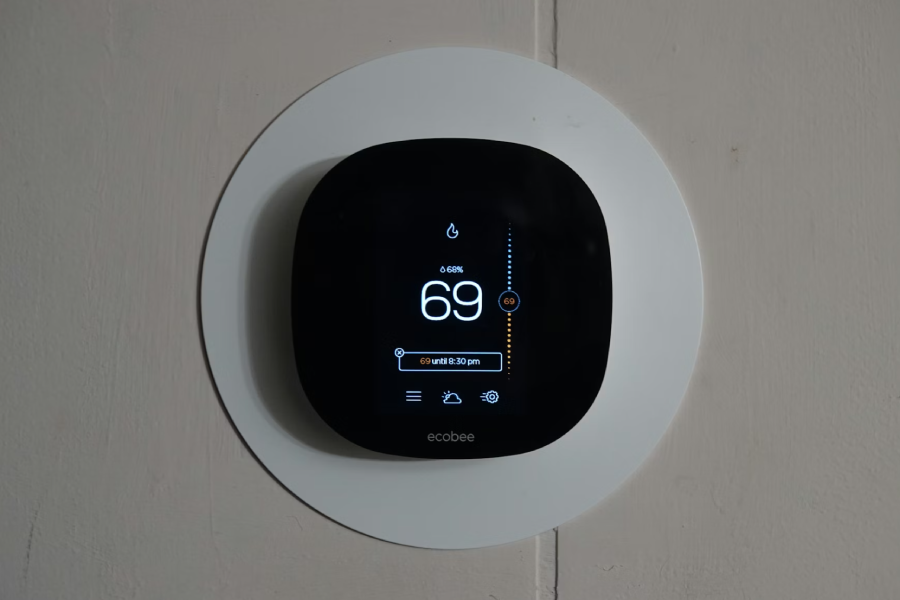
Smart thermostats continuously monitor temperature and stay connected to your home network. This allows them to respond to commands or automation schedules instantly. Power usage varies by brand, but it’s generally low.
Smart vacuums
Do they draw power when docked?
Yes
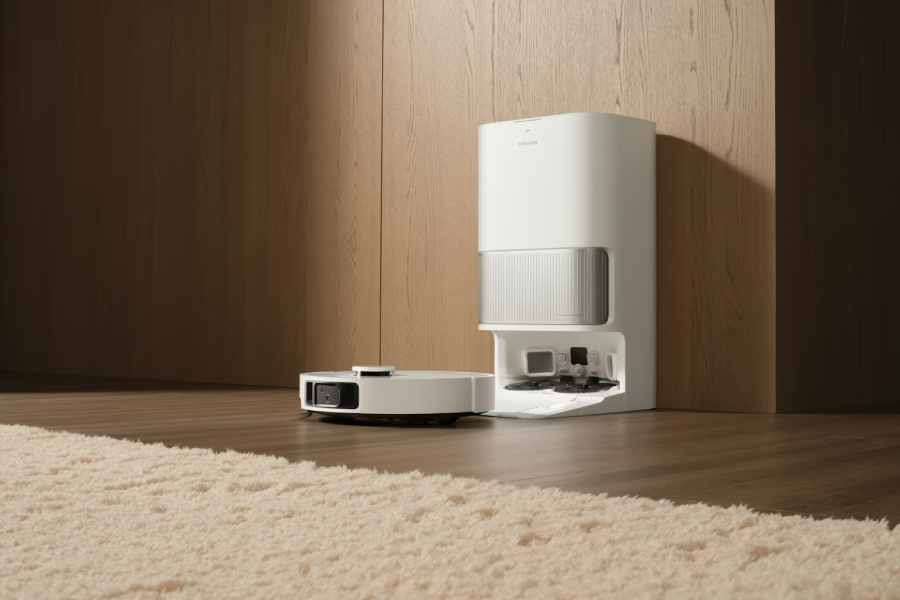
When docked, smart vacuums either charge or wait for a command. A Roomba, for example, uses 28 watts while charging and about 3.6 watts in standby mode once fully charged.
Smart locks
Do they draw power when not in use?
Yes (wired models)
No (battery models)
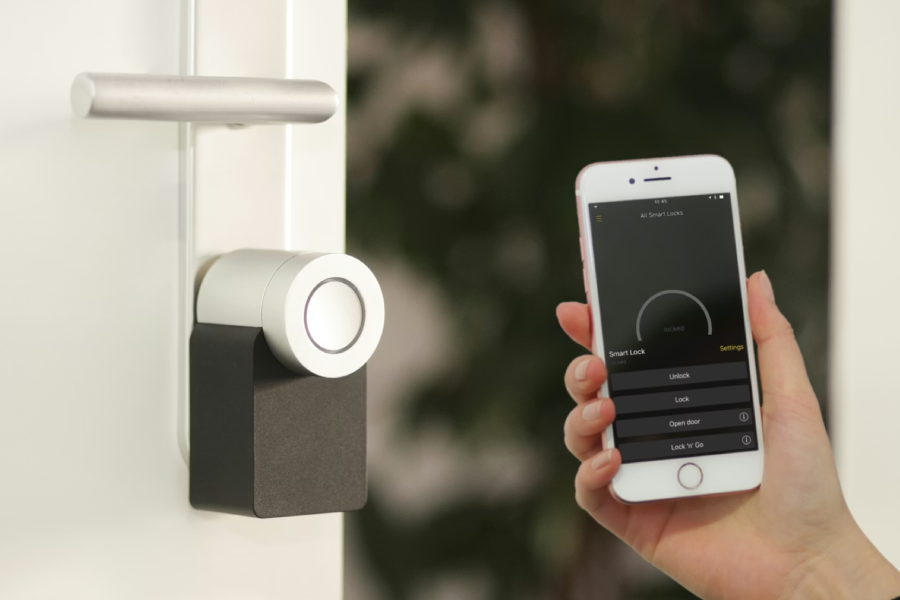
Most smart locks are battery-powered, so they don’t draw mains electricity. Wired models, however, do consume power. It’s best to check with your manufacturer for details about how your smart lock is powered.
Smart cameras and doorbells
Do they draw power when not in use?
Yes (wired models)
No (battery models)
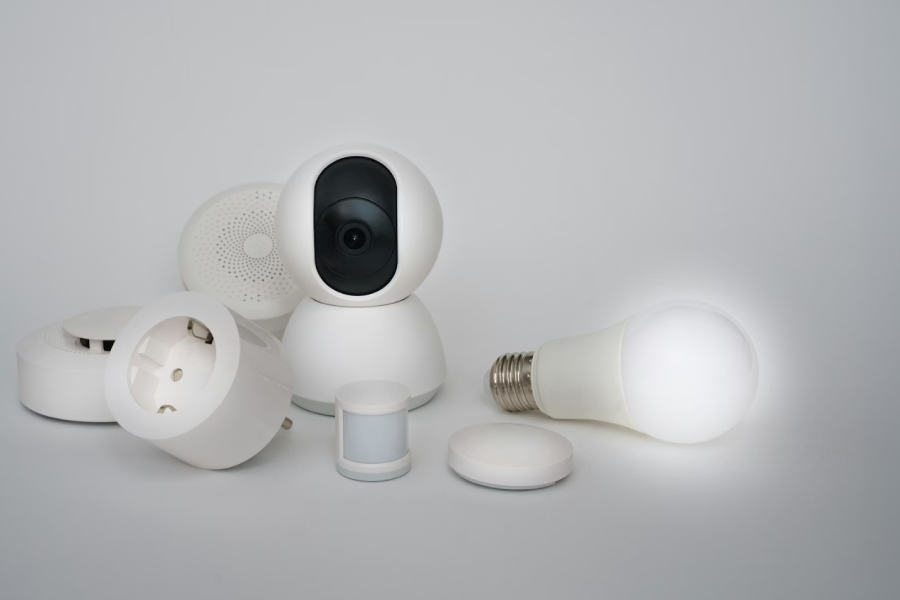
Wired cameras stay active for motion detection and video streaming. Usage depends on settings like motion sensitivity and night vision. A mid-range wired camera typically uses around 5.4 watts.
Smart appliances (fridges, laundry machines)
Do they draw power when not in use?
Yes
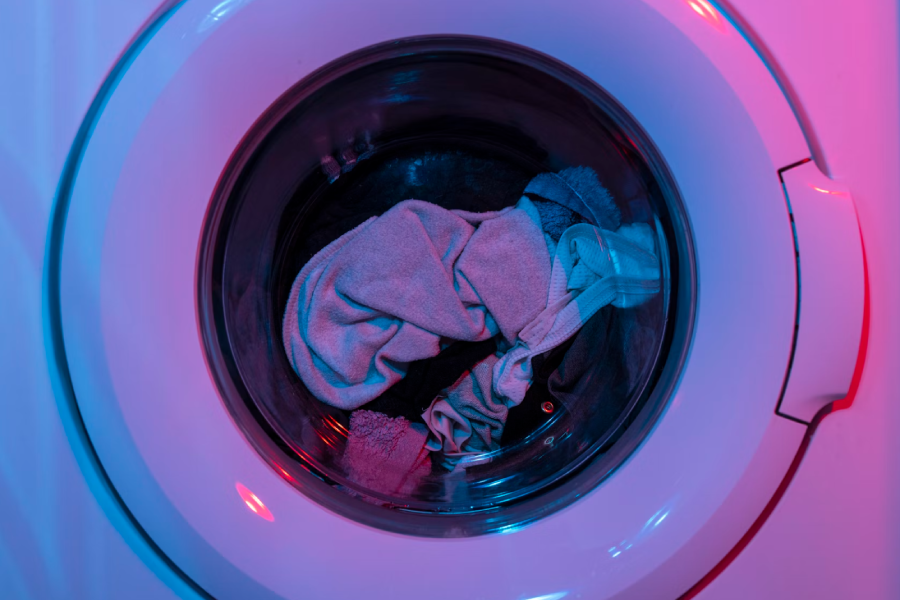
Smart fridges and washers remain connected for remote monitoring and alerts. While the standby draw is small compared to their operational power, it’s still present.
Tips to reduce standby power consumption
- Unplug devices you don’t use regularly
- Choose energy-efficient models—look for Energy Star ratings
- Use smart power strips that cut power when not needed
- Check manufacturer specs for standby wattage before buying
Final thoughts
Smart devices make life easier, but they do consume a small amount of electricity in standby mode. While the impact on your bill is usually minor, being aware of these figures helps you make informed choices about energy efficiency.